Better pre-IB decisions
Students understand which choices keep options open and which choices quietly close them.
Plan your Diploma
Build a realistic IB subject combination before you start the Diploma, with clear tradeoffs around workload, prerequisites, and future options.
Pre-IB students are often asked to choose subjects before they fully understand university prerequisites, HL workload, or how quickly an interesting subject can become heavy.
Answer the questions a counsellor would usually ask, then compare combinations that follow IB rules and use subjects your school actually offers.
Students understand which choices keep options open and which choices quietly close them.
The output gives students and parents a concrete plan to discuss with coordinators.
Use Marksy before you begin writing IAs or studying the full syllabus.
Start with what you have now. Each step shows what to do and what you will see next.
Students rank possible degree pathways, choose target countries, record demonstrated strengths, set mathematics/language preferences, and describe school availability separately for HL and SL.
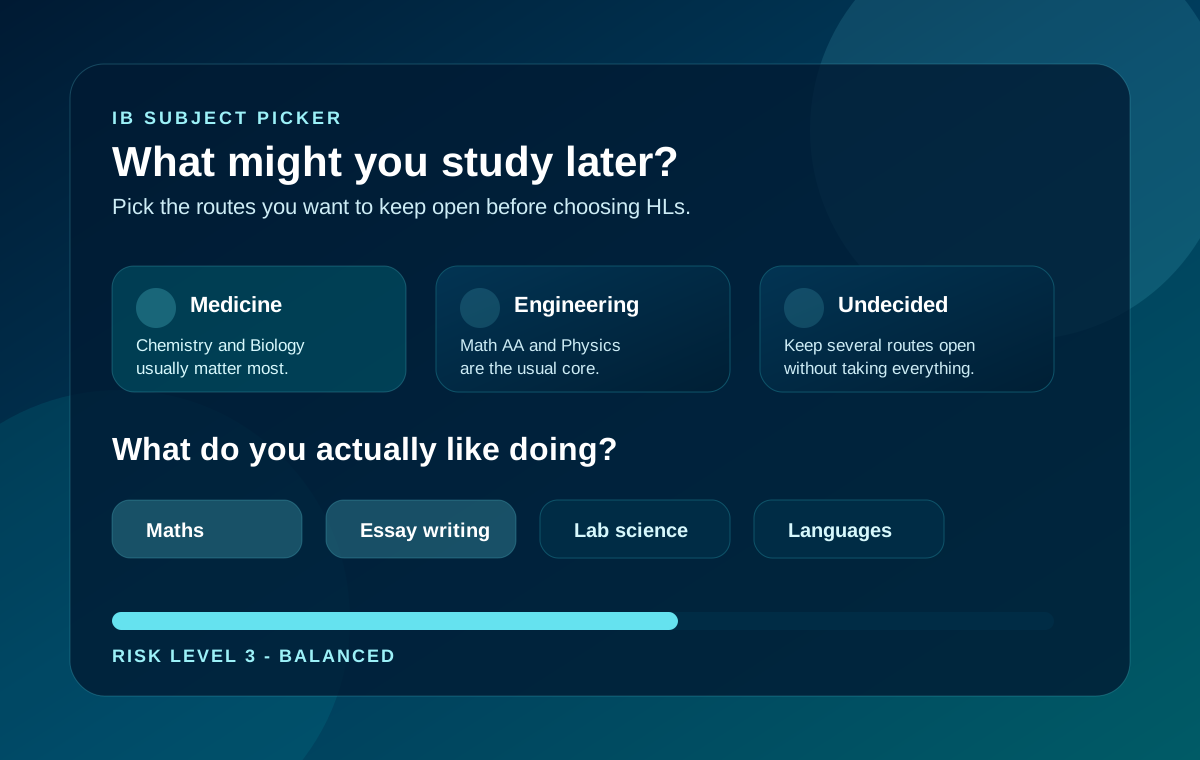
Answer practical questions about goals, strengths, location, and what your school offers.
Marksy gives you three valid six-subject choices with HL/SL labels, reasons, and workload warnings.
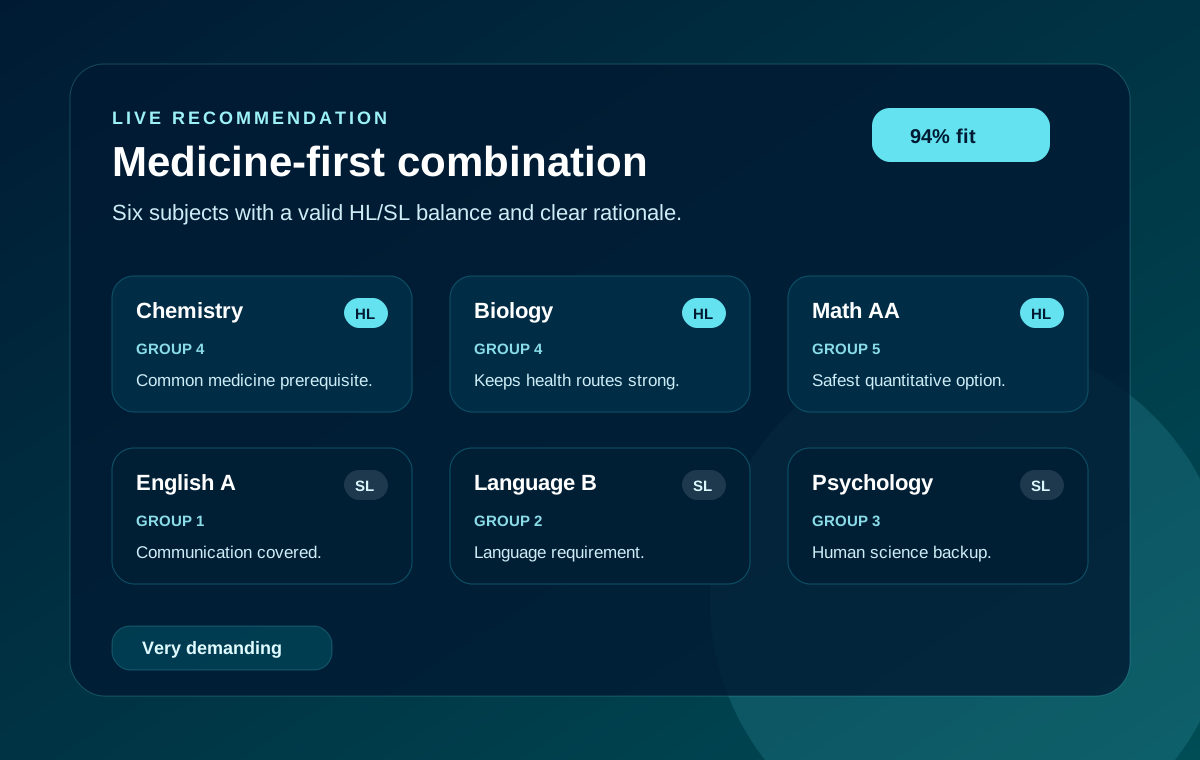
Compare recommended HL/SL combinations with fit scores and workload labels.
See missing prerequisites, check example university requirements, and lock subjects before trying another combination.
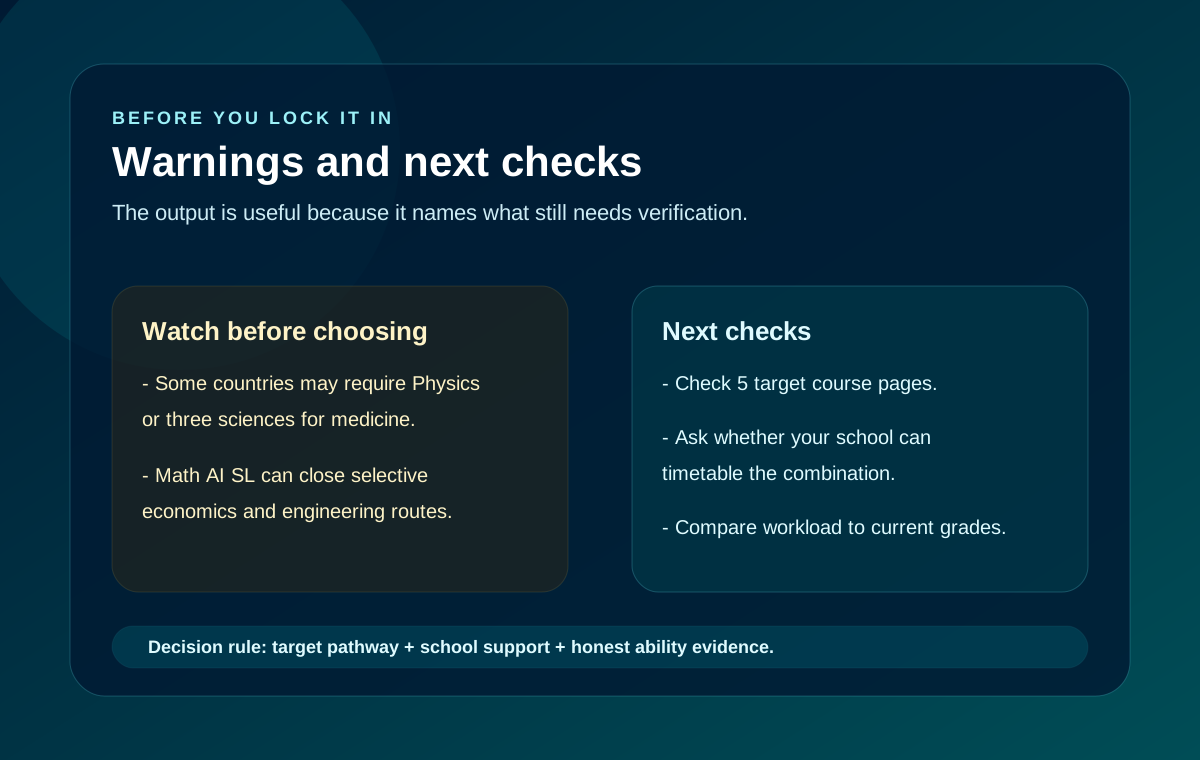
See prerequisite risks and the exact checks to make before locking choices in.
Students understand which choices keep options open and which choices quietly close them.
The output gives students and parents a concrete plan to discuss with coordinators.
Use Marksy before you begin writing IAs or studying the full syllabus.
No. It is planning guidance that helps students understand likely risks and tradeoffs. Final requirements must be checked with school counsellors, IB coordinators, and university course pages.
Yes. The picker includes a flexible option and an option aimed at protecting your overall score if you want to keep several degree choices open.
Yes. Students can mark subjects their school does not offer, and the picker adapts the recommendation with fallback warnings.
The right IB combination is not the hardest one. It is the one that protects future options while giving the student a real chance to perform well.
Use the tool when you need it, then come back to your own work with a clear next step.